Physical activity is vital for child growth. It supports a strong body and mind. Movement helps children grow healthy daily. It improves strength, focus, and energy. Many children spend time on screens. Such behaviour reduces active play opportunities greatly. Children need regular movement for health.
Activity supports physical and mental growth. It also improves emotional balance daily. Active play builds strong life skills. Parents must encourage daily movement habits. Teachers also support active learning environments. Fitness builds confidence and social skills. This article explains child activity benefits. It shows why movement is important.
Supports Healthy Physical Growth
Physical activity supports strong body growth. Children require development for solid advancement. Working out reinforces bones and muscles day by day. Running and hopping construct body quality. Climbing makes strides, adjusts coordination, and builds aptitudes.
- Prioritize profound, quality rest: Guarantee steady, continuous rest each night, as this is when the body discharges the endless larger part of its development hormones for tissue repair and development.
- Maintain ideal protein admissions: Devour satisfactory incline proteins day by day to give the fundamental amino acids required for building, repairing, and keeping up muscle mass and bone matrix.
- Incorporate weight-bearing work out: Lock in in resistance preparing or high-impact exercises (like hopping or running) to invigorate bone thickness and trigger solid development.
- Fuel with micronutrient-dense nourishments: Center on a eat less wealthy in calcium, vitamin D, magnesium, and zinc to specifically back skeletal quality and cellular growth.
- Stay reliably hydrated: Drink bounty of liquids all through the day to bolster supplement transportation, keep joints greased up, and keep up cellular volume for ideal tissue work.
Sports bras generally improve physical wellness levels. Dynamic children keep up sound body weight. Working out decreases the chance of corpulence issues. Development moves forward heart and lung well-being. Blood circulation gets to be solid and relentless. Physical play builds perseverance and vitality. Customary action bolsters characteristic development preparation. Children create solid bodies over time. Dynamic propensities make strides in deep-rooted physical well-being. Development is fundamental for development.
Improves Motor Skills
Motor skills improve with physical activity. Gross motor skills involve large movements. Running and jumping improve coordination skills. Throwing and kicking build body control. Fine motor skills involve small actions. Drawing and gripping improve hand control.
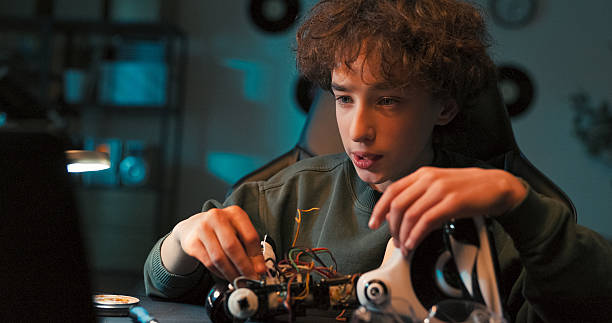
Sports develop better body coordination abilities. Active play improves balance and timing. Children become more confident in movement. Physical games support skill development greatly. Coordination supports daily life activities well. Strong motor skills help independence growth. Activity supports the physical learning process.
Enhances Brain Development
Physical activity supports brain development strongly. Exercise increases blood flow to the brain. More oxygen improves thinking abilities greatly. Memory and focus become stronger daily. Active children learn faster in school. Movement improves problem-solving skills well. Brain chemicals improve mood and learning.
Exercise supports attention and concentration levels. Physical activity reduces mental tiredness quickly. Learning becomes easier with an active lifestyle. Play supports creativity and imagination growth. Movement improves academic performance over time. Thinking skills develop through regular activity. An active brain supports better learning outcomes. Exercise supports mind and body together.
Promotes Mental Health
Physical movement progresses mental health significantly. Working out decreases push and uneasiness levels. Development discharges cheerful brain chemicals day by day. Children feel more calm and relaxed. Active play improves emotional balance strongly. Physical activity reduces negative emotions quickly.
- Physical activity reduces stress and worry levels.
- Exercise improves mood and daily happiness.
- Active play builds confidence and self-esteem.
- Movement helps manage anger and emotions.
- Regular activity supports emotional balance daily.
Confidence increases with regular movement habits. Children feel happier and more active. Exercise supports emotional stability and control. Stress decreases through active lifestyle routines. Group play improves social confidence levels. Movement helps manage anger and frustration. Active children show better mood control. Mental health improves through daily activity. A healthy mind develops through movement.
Builds Confidence
Physical activity builds strong self-confidence. Children achieve goals through active play. Success increases belief in abilities greatly. Learning new skills improves confidence levels. Sports teach effort and discipline values. Practice leads to improvement and success. Children feel proud after achievements daily.
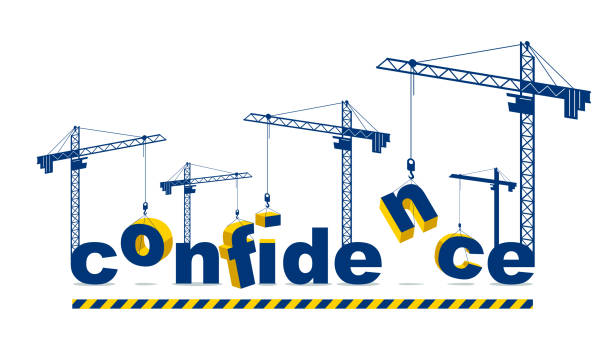
Confidence grows through physical challenges faced. Active play builds a positive self-image. Movement supports personal growth and strength. Winning and learning improve motivation levels. Children become more independent over time. Confidence supports better social interaction skills. Active children show stronger self-belief. Physical success builds emotional strength.
Social Skill Development
Physical activity improves social skills greatly. Group games teach teamwork and cooperation. Children learn sharing and communication skills. Sports improve respect for others easily. Interaction builds friendships and social bonds. Team activities teach discipline and fairness. Children learn conflict resolution skills well.
Group play supports emotional understanding growth. Social confidence improves through active games. Communication skills develop through teamwork activities. Children learn leadership through group sports. Interaction reduces social anxiety and fear. Friendships grow through shared activities daily. Social learning happens through physical play. Activity builds strong social connections.
Solid Habits
Physical action builds sound, long-lasting propensities. Dynamic children remain dynamic as grown-ups. Working out gets to be a portion of the day-by-day schedule. Movement supports long-term health benefits. Healthy habits reduce disease risks later. Early activity builds a strong lifestyle foundation. Children learn the importance of fitness early.
An active lifestyle improves future health outcomes. Habits formed in childhood stay longer. Regular movement supports consistent wellness growth. Exercise builds discipline and routine habits. Healthy choices become natural behaviour patterns. Activity supports lifelong fitness commitment strongly. Good habits start in early years. Movement creates a strong, healthy lifestyle.
Improves Sleep
Physical activity improves sleep quality greatly. Active children sleep faster at night. Exercise supports deeper and restful sleep. Good sleep improves energy levels daily. Sleep supports brain and body recovery. Movement reduces sleep problems effectively. An active lifestyle improves sleep patterns naturally.
Rest becomes more consistent and stable. Sleep supports the healthy growth process strongly. Rest improves learning and memory skills. Active children wake up more refreshed. Sleep and activity work together well. Healthy sleep supports overall development.

Conclusion
Physical activity is essential for children. It supports a strong body and mind. Movement improves growth and development daily. It builds strength, confidence, and skills. Active children perform better in life. Working out moves forward mental and passionate health. It too bolsters superior rest quality. Social aptitudes develop through dynamic play.
Solid propensities shape from early age. Guardians must energise every day, developing always. Schools ought to back dynamic learning spaces. Action decreases screen time issues enormously. Wellness builds deep-rooted, sound ways of life propensities. Solid propensities lead to a superior future. Dynamic children ended up sounding like grown-ups.
FAQs
What are the benefits of physical activity for children?
Physical activity builds strength, improves fitness, supports growth, and helps children stay healthy and active.
How does physical activity help brain development?
Exercise improves blood flow to the brain. It supports memory, focus, learning, and problem-solving skills.
Can physical activity improve mental health?
Yes. Regular movement reduces stress and helps children feel happier and more confident.
Why are motor skills important for children?
Motor skills help children move safely and confidently. They support balance, coordination, and daily activities.
How much physical activity should children get daily?
Children should get at least 60 minutes of physical activity each day for healthy growth and development.
Leave a Reply