If your grocery total feels higher than it did last year, you’re not imagining it. The USDA’s Economic Research Service projects food-at-home prices will rise about 2.8% in 2026, a bit above the 20-year average, and some categories are climbing faster than others. Eggs have come down after last year’s spike, but items like fresh tomatoes and coffee have gotten noticeably pricier.
You can’t control the wholesale price of eggs. But you have more control over your weekly total than you might think. None of the tips below require couponing for hours or driving to five different stores. They’re small, repeatable habits that add up, especially when you stack a few of them together.
1. Plan your meals before you shop, not after
This is the single change that tends to move the needle the most. Research on meal planning has found it can trim a household’s food spending by roughly 15% to 20%, mostly by cutting the impulse buys and the “what’s for dinner” panic trips that happen when you shop without a plan. You don’t need a rigid weekly menu. Even a rough list of 5 dinners built around what’s already in your fridge and freezer gets you most of the benefit.
2. Shop with a list, and actually stick to it
A meal plan without a list still leaves room for drift once you’re standing in the cereal aisle. Write the list in the order your store is laid out if you can, so you move through quickly and skip the aisles you don’t need. Studies on shopping behavior consistently show that unplanned purchases, not planned ones, are what blow up a grocery budget.
3. Compare unit prices, not shelf prices
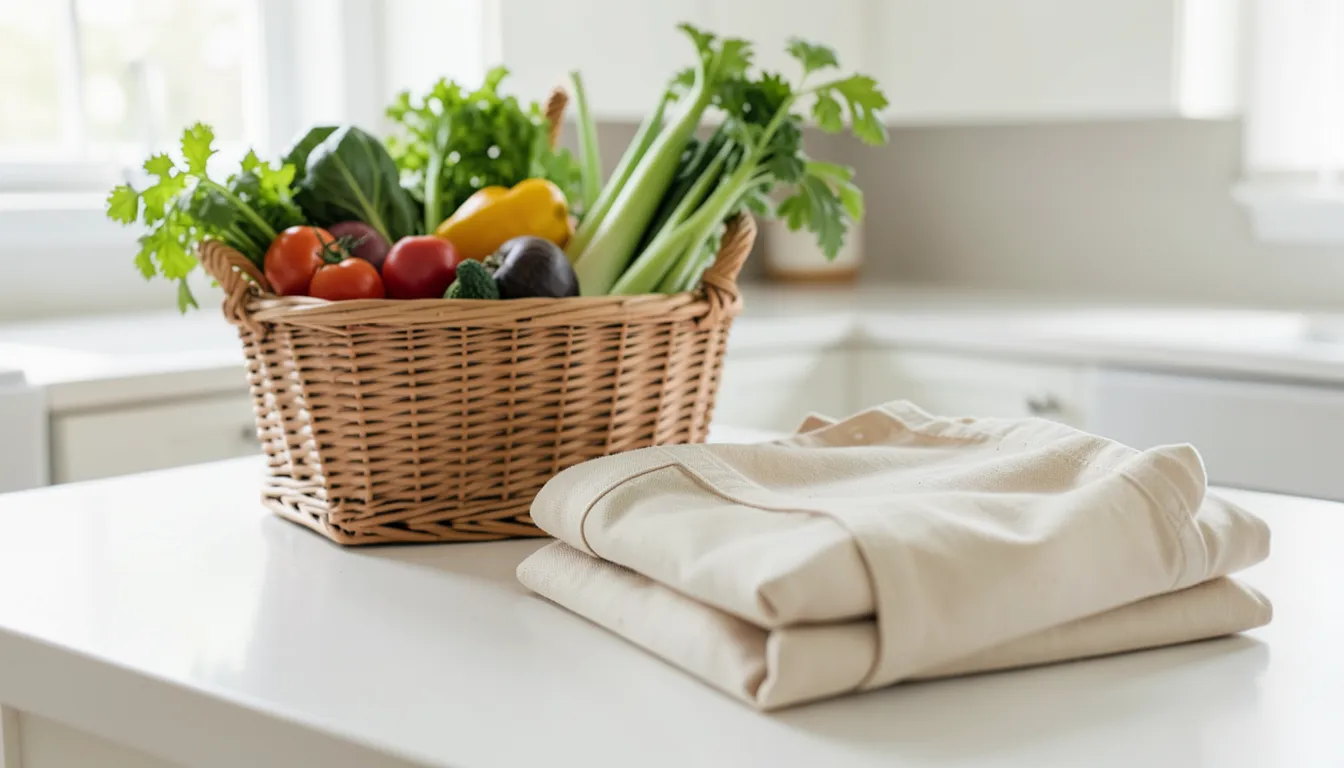
The big container isn’t always the cheaper one per ounce. Most stores post a small unit price (price per ounce, pound, or count) on the shelf tag below the item’s price tag. It’s the only fair way to compare a 12-pack against a 24-pack, or a store brand against a name brand in a different size. Get in the habit of glancing at that number before anything else.
4. Give store brands an honest try
Store-brand (private label) items are typically made in the same or comparable facilities as name brands, and they usually run 15% to 30% cheaper. Pantry staples, canned goods, spices, and dairy are the easiest places to start since quality differences are hardest to notice there. If a swap doesn’t work for your household, you can always switch back. That said, always check the ingredient list if you’re managing an allergy or dietary restriction.
5. Build your menu around the sales flyer
Instead of deciding what to cook and then shopping for it, flip the order: check this week’s flyer or app deals first, then build 2 or 3 meals around whatever protein or produce is discounted. This is how a lot of frugal home cooks keep variety without paying full price for it.
6. Reduce food waste, because it’s money in the trash
The USDA estimates that a substantial share of the food supply at the retail and consumer level goes to waste every year. That’s not just an environmental problem, it’s a direct budget leak. Practical fixes: freeze bread, meat, and leftovers before they turn, use a “eat this first” bin in your fridge for items nearing their date, and plan one meal a week around using up whatever’s left.
7. Buy certain staples in bulk, selectively
Bulk buying only saves money when you’ll actually use the item before it spoils or expires, and when the unit price is genuinely lower (check tip #3). Rice, dried beans, oats, and frozen vegetables are usually safe bulk bets for most households. Fresh produce and dairy usually aren’t, unless you have a specific plan to use or freeze the extra.
8. Cook a few staples from scratch
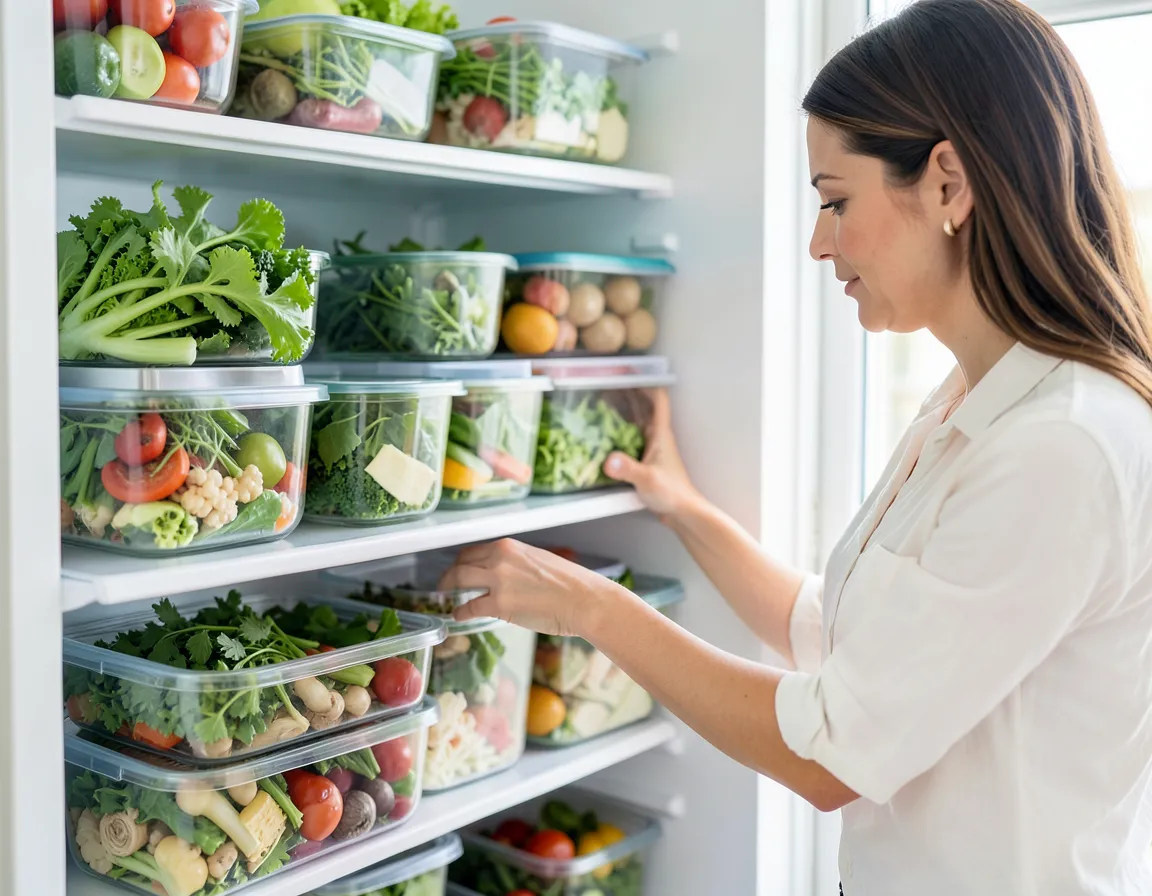
Pre-cut fruit, shredded cheese, and marinated meats carry a convenience markup, often a meaningful one. Whole cheese blocks, whole chickens, and dried beans instead of canned all tend to cost less per serving. You don’t need to overhaul your cooking style. Picking one or two convenience items to make from scratch each month is enough to notice a difference.
9. Use cash-back and receipt-scanning apps, with realistic expectations
Apps that pay you for scanning receipts or activating digital offers can add up to real savings over a month, though the payout depends heavily on how many offers match what you already buy. Treat these as a bonus on top of your regular shopping, not a reason to buy something you wouldn’t have bought anyway.
10. Time your shopping around markdowns
Many grocery stores mark down meat, bakery items, and produce nearing their sell-by date, often in the late morning or evening depending on the store’s restocking schedule. If your store has a consistent markdown window, a few extra minutes browsing that section can turn into a stocked freezer at a fraction of the price.
11. Watch portion sizes and shrinkflation
Package sizes have quietly shrunk across plenty of categories even as prices held steady, a pattern often called “shrinkflation.” Checking the net weight, not just the price, helps you catch when you’re paying the same for less. It also naturally nudges you toward the unit-price habit from tip #3.
12. Track your grocery spending for one month
You don’t need an elaborate spreadsheet. Even snapping a photo of each receipt for a month gives you a clear picture of where your money actually goes: which categories are the biggest chunk, which trips led to the most impulse buys, and where a small change would make the biggest dent. Most households are surprised by at least one line item once they actually look.
Grocery prices: what’s up and what’s down in 2026
Not every category is moving the same direction. Based on USDA Economic Research Service tracking through mid-2026, here’s a general snapshot. Actual prices vary by region, store, and season, so treat these as directional, not exact.
| Category | 2026 trend (approximate) | Notes |
|---|---|---|
| Eggs | Down roughly 22% from last year’s peak | Prices had spiked sharply in 2025 and have since eased |
| Fresh tomatoes | Up roughly 32% | Weather and supply disruptions cited as factors |
| Coffee | Up | Tied to global supply pressures |
| Beef | Up | Tighter cattle supply has kept prices elevated |
| Poultry | Roughly stable to slightly up | Less volatile than beef in most regions |
| Cereals and bakery | Up modestly | Tracking close to overall food-at-home inflation |
The bottom line
No single tip here will fix a stretched grocery budget on its own. But planning meals, comparing unit prices, and cutting waste together can meaningfully lower your monthly total, and none of them require sacrificing what you actually like to eat. Start with 2 or 3 that fit your routine, see how your next few grocery trips go, and add more from there.
This article is for general informational purposes only and isn’t personalized financial advice. Prices, savings percentages, and program details mentioned here may vary by region, retailer, and time, and are current as of mid-2026 based on USDA and industry sources. Check with your local retailer or a qualified financial professional for advice specific to your situation.
If you’re also looking at other parts of your budget, a mid-year money check-in can help you spot where else you’re overspending, and if utility bills are adding to the squeeze, these tips for lowering your summer electric bill tackle another fast-growing household cost. Grocery costs often show up alongside other quietly rising fees, so it’s worth checking whether you’re also paying bank fees you could avoid. And if trimming spending only gets you so far, some readers find it’s worth exploring side hustles that are actually worth the time to bring in a bit more room.
Frequently Asked Questions
How much can meal planning actually save on groceries?
Meal planning has been shown to cut food spending by roughly 15% to 20% for many households, mainly by reducing impulse purchases and unplanned trips. The exact amount varies depending on how closely you stick to the plan and how much you were overspending before.
What is unit price and why does it matter?
Unit price is the cost per standard measure, like per ounce or per pound, usually printed in small text on the shelf tag. It lets you compare products of different sizes or brands on equal footing, since the sticker price alone can be misleading when package sizes differ.
Are store brands actually the same quality as name brands?
In many cases, store-brand and name-brand products are made in comparable facilities and use similar ingredients, though this isn’t universal. It’s worth doing a side-by-side taste test on a few pantry staples to decide which swaps work for your household.
Why do grocery prices keep going up in 2026?
The USDA’s Food Price Outlook attributes 2026 increases to a mix of factors that vary by category, including weather-related supply disruptions, input costs, and global trade conditions. Some items, like eggs, have actually come down from 2025 highs, while others, like fresh tomatoes, have risen.
Do cash-back and receipt-scanning apps really save money?
They can add up over time, but the amount depends on how many available offers match what you’d normally buy anyway. They tend to work best as a bonus layered on top of a grocery list you’d already be buying, not as a reason to purchase extra items.
Is buying in bulk always cheaper?
Not always. Bulk buying only pays off when the unit price is genuinely lower and you’ll use the item before it spoils or expires. For non-perishable staples like rice or dried beans, bulk often makes sense. For fresh produce or dairy, it’s riskier unless you have a specific plan to use or freeze the surplus.