If your electric bill feels higher than last summer, it probably is. Residential electricity rates climbed about 7.4% year over year as of April 2026, and the average U.S. rate hit roughly 18.83 cents per kilowatt-hour in July 2026, according to tracking from SaveOnEnergy and Electric Choice. Part of that increase ties back to rising demand from data centers, a trend that’s been widely covered this year and shows no sign of slowing down.
You can’t control wholesale power prices. But you do have real control over how much electricity your home actually uses, and small changes can add up fast once the air conditioner is running all day. Here are 10 practical ways to bring your bill down this summer, starting with the setting that matters most.
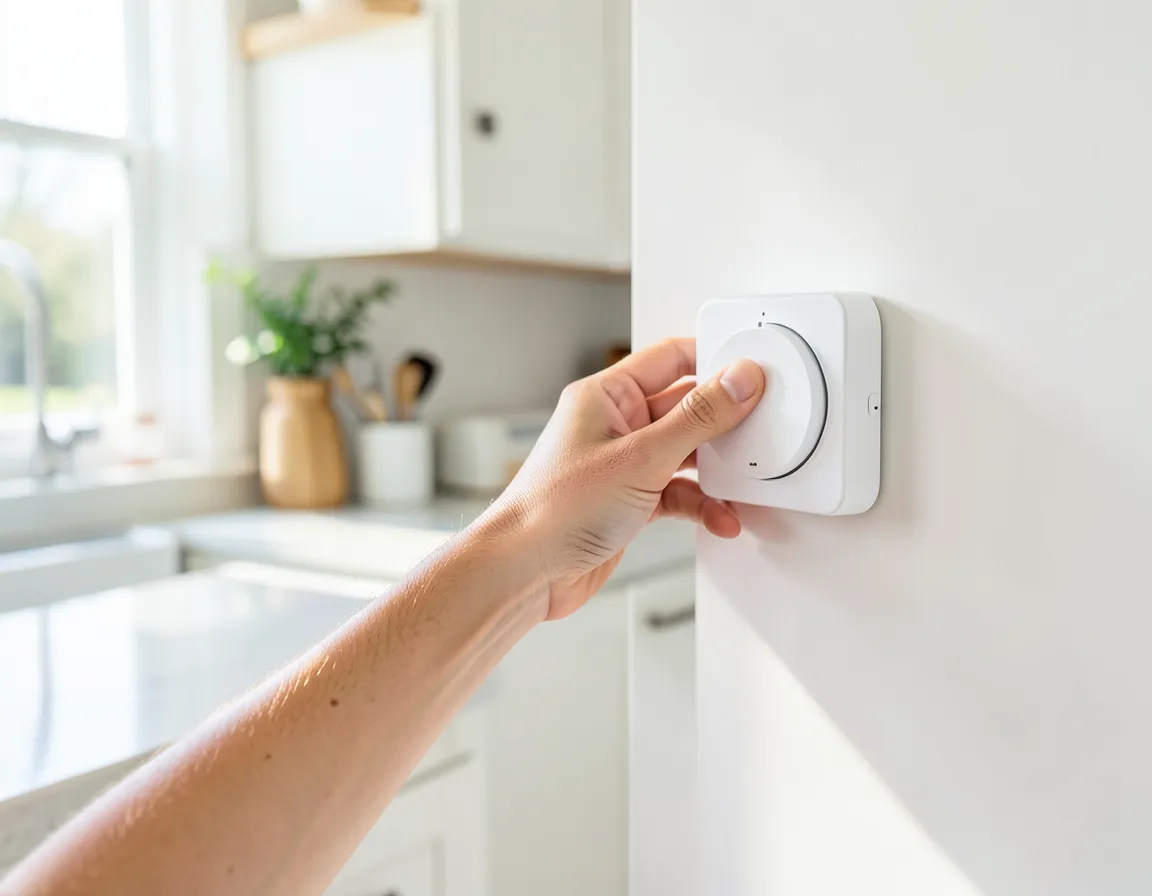
1. Set your thermostat to 78°F when you’re home
Heating and cooling typically account for roughly half of a home’s total energy use, so your thermostat setting is the single biggest lever you have. The Department of Energy has long recommended 78°F as a comfortable summer setting when you’re home and awake, and pushing it a few degrees higher while you’re out (or asleep, with a fan running) saves even more. Every degree lower than 78°F can add a noticeable percentage to your cooling costs, so even a small adjustment matters over a full billing cycle.
2. Let a smart thermostat do the adjusting for you
A smart thermostat can learn your schedule and automatically raise the temperature when nobody’s home, then cool the house back down before you return. Some studies and utility programs suggest smart thermostats can save around 15% on cooling costs compared to a fixed setting nobody remembers to adjust. Many utilities also offer rebates on smart thermostats during summer, so it’s worth checking your provider’s website before you buy one at full price.
3. Run ceiling fans counterclockwise
A ceiling fan doesn’t lower the actual room temperature, but it creates a wind-chill effect that can make a room feel several degrees cooler, which means you can raise the thermostat without losing comfort. Most fans have a switch to reverse direction. Counterclockwise rotation (when viewed from below) pushes cool air straight down in summer. One habit worth building: turn fans off when you leave the room. They cool people, not empty space, so running one in a room nobody’s in just adds to your bill for no benefit.
4. Seal air leaks around windows and doors
Gaps around windows, doors, and outlets let cool air escape and hot outdoor air seep in, forcing your AC to work harder than it should. Weatherstripping and caulk are inexpensive fixes you can usually finish in an afternoon. If you’re not sure where the leaks are, many utilities offer free or discounted home energy audits that pinpoint exactly where you’re losing conditioned air. It’s worth calling your provider to ask.
5. Wash clothes in cold water and run full loads
Heating water accounts for a meaningful share of a washing machine’s energy use, so switching from hot or warm to cold water can cut the energy used per load by more than half in many cases, according to Department of Energy guidance. Combine that with only running full loads (in the washer and dishwasher both) and you’re squeezing more use out of every cycle instead of running half-empty loads more often.
6. Do laundry and run the dishwasher during off-peak hours
If you’re on a time-of-use electricity plan, the price per kilowatt-hour can swing significantly between peak afternoon hours and off-peak overnight or early-morning hours. Running the dishwasher, washer, and dryer during off-peak windows (often after 8 or 9 p.m. or before mid-morning, though this varies by utility and season) can meaningfully cut what those appliances cost you. Check your utility’s website or app for your specific peak and off-peak windows, since they’re not the same everywhere.
7. Ask about a time-of-use or budget billing plan
Speaking of time-of-use plans: if your utility offers one and your schedule allows you to shift some usage to cheaper hours, it may lower your total bill compared to a flat rate. In deregulated states, you can also shop competing electricity providers for a better rate on the same power delivered by your existing utility. Whether a plan actually saves you money depends on your usage pattern, so read the rate structure carefully, or call the provider and ask them to walk you through it, before switching.
8. Lower your water heater to 120°F
Many water heaters ship set at 140°F by default, which is hotter than most households need and burns extra energy keeping a tank that hot around the clock. The Department of Energy recommends 120°F for most homes, which is still comfortably hot for showers and dishes while trimming standby energy loss. It’s a five-minute adjustment on most tank water heaters.
9. Unplug or power-strip your “always-on” electronics
Devices that stay plugged in but idle, game consoles, cable boxes, chargers, coffee makers, still draw a small amount of power around the clock. That standby draw, sometimes called phantom or vampire power, can add up to a real amount on your annual bill when you count every device in the house. A smart power strip that cuts power to a group of idle devices at once makes this an easy habit rather than a nightly chore of unplugging things one by one.
10. Switch to LED bulbs and check your utility for rebates or assistance
LED bulbs use a fraction of the electricity that incandescent bulbs do and last far longer, so if you still have older bulbs in high-use fixtures, that’s an easy swap. Beyond bulbs, check whether your utility offers rebates on efficient appliances, insulation, or smart thermostats. And if a high bill is a genuine hardship this summer, the federal Low Income Home Energy Assistance Program (LIHEAP) helps eligible households cover energy costs. Many utilities also run their own hardship or payment-plan programs, so it’s worth calling before a bill goes to collections.
What’s actually driving prices up this summer
It helps to know this isn’t just your house. Coverage from outlets like CBS News points to summer 2026 electricity costs reaching a record high nationally, with rising demand from data centers cited as one contributing factor alongside aging grid infrastructure and higher fuel costs in some regions. Rates and the reasons behind them vary a lot by state and utility, so your local increase may look different from the national average.
Practical Takeaways
- Start with your thermostat setting. It’s free, it’s instant, and it has the biggest single impact on your cooling costs.
- Ask your utility two questions this month: do you offer a free energy audit, and do you have a time-of-use or budget billing plan?
- Small, repeatable habits (full loads only, off-peak laundry, fans off in empty rooms) matter more than one big purchase.
- If a bill is a genuine hardship, contact your utility about payment plans or look into LIHEAP before a balance snowballs.
This article is for general informational purposes only and isn’t personalized financial or utility advice. Rates, savings estimates, and program details mentioned here may vary by region, utility, and time of year, and are current as of mid-2026 based on Department of Energy guidance and industry sources. Contact your utility provider or a qualified professional for advice specific to your home and your area.
If you’re also feeling the squeeze in other parts of your budget, our guide on cutting your grocery bill as food prices keep rising covers another fast-growing household cost, and 10 sneaky bank fees you may be paying is worth a look if you haven’t audited your accounts in a while. A broader mid-year money check-in can help you see how a higher summer electric bill fits into your overall budget for the rest of the year.
Frequently Asked Questions
What is the cheapest time of day to use electricity?
It depends on your utility and your specific rate plan, but for households on time-of-use pricing, off-peak hours are typically overnight and early morning, while the most expensive hours are usually mid-afternoon into early evening when demand peaks. Check your utility’s website or app for the exact windows that apply to your plan, since they vary by provider and season.
What uses the most electricity in a house?
Heating and cooling are usually the largest share of a home’s electricity use, often close to half the total bill in summer. After that, water heating, laundry appliances, and refrigeration tend to be the next-biggest draws. Older or inefficient appliances can use noticeably more than newer, energy-efficient models doing the same job.
What’s a simple way to cut my electric bill quickly?
Adjusting your thermostat a few degrees toward 78°F when you’re home, and higher when you’re away, is usually the fastest and most noticeable change you can make. Pairing that with fans to keep the room comfortable lets you raise the setting without sacrificing comfort.
How can I reduce my electricity bill overall?
A combination approach works best: manage your thermostat, seal air leaks, wash clothes in cold water, shift heavy appliance use to off-peak hours if your plan supports it, and unplug idle electronics. None of these alone will transform your bill, but together they can meaningfully lower it over a full month.
What is a time-of-use electricity plan, and is it worth switching to?
A time-of-use plan charges different rates depending on the time of day, usually cheaper overnight and pricier during afternoon peak demand. It can lower your bill if you’re able to shift usage like laundry and dishwashing to off-peak hours, but it may cost more if most of your usage happens during peak times. Review your own usage pattern, or ask your utility to model it for you, before switching.
Are there programs that help if I can’t afford my electric bill?
Yes. The federally funded Low Income Home Energy Assistance Program (LIHEAP) helps eligible households with energy costs, and many utilities offer their own payment plans, budget billing, or hardship programs. Eligibility and available funds vary by state and by year, so contact your local LIHEAP office or your utility directly to ask what’s currently available.