Strong family habits start at home. Daily actions shape family lifestyle and behavior. Small routines build long-term discipline and health. Parents play a key role in guiding habits. Children learn by watching family behavior every day. Simple activities improve bonding and understanding. Healthy routines diminish stress and perplexity at home.
Family time gets to be more significant with shared exercises. Sports and development make strides in physical and mental health. Great communication builds belief between family individuals. Consistency is imperative for solid propensities. This article clarifies simple ways to construct sound family life. All thoughts are straightforward and down to earth for everyday use. Families can take after them without it taking a toll. Little steps lead to enormous positive alteration. Solid homes make upbeat families.
Set a daily family routine
A daily routine gives structure to family life. It helps everyone stay organized and balanced. Morning and evening habits create discipline. Parents should follow consistent schedules. Children learn responsibility through routine life. It reduces stress and confusion at home. Shared timing improves family connection. Meals and sleep become more regular. Activity time becomes part of the daily plan. Families feel more secure with routine. It supports better time management skills. Routine builds healthy lifestyle habits. It improves focus and calm behavior. Each member understands daily responsibilities. Consistency makes home life smooth. It creates a peaceful environment.
Encourage Physical Activity
Physical activity keeps families healthy and active. It improves strength and energy levels. Families should avoid long sitting hours. Simple exercises and walking are helpful. Children need daily active play time. Parents should join physical activities. This increases motivation and bonding.
- Physical activity improves family health and energy
- It strengthens muscles, bones, and overall fitness
- Regular movement reduces stress and improves mood
- Children develop healthy habits and active lifestyles
- Families build stronger bonds through shared exercise activities
Movement improves heart and body health. It supports better sleep quality. Active families feel happier and relaxed. Exercise reduces stress and tiredness. Small movement gives big health benefits. It improves teamwork in the family. Daily activity builds strong habits. Families stay energetic throughout the day. It supports a healthy home lifestyle.
Play Sports Together
Sports create strong family bonding. Families enjoy active time together. Simple games improve teamwork skills. Football and basketball are good choices. Children learn discipline through sports. Parents act as role models. Sports improve communication and understanding.
They increase fitness and strength. Screen time reduces naturally. Family games create happy memories. Winning or losing teaches life lessons. Sports build confidence and focus. Families grow closer through play. It supports active lifestyle habits. Regular sports improve happiness. Family unity becomes stronger.
Teach Good Habits
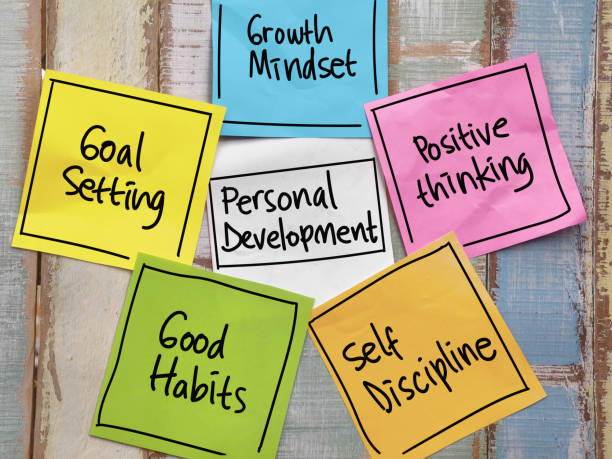
Good habits start from the home environment. Children learn from their parents’ daily actions. Healthy eating supports strong growth. Clean habits build discipline. Respect improves family relationships. Children duplicate what they see. Consistency is critical in learning. Commend empowers positive behavior. Family guidance shapes future life. Simple lessons build strong habits. Children feel safe in routine. Good habits improve confidence. Parents should show positive actions. Learning happens through daily interaction. Healthy habits support a better future. Strong guidance builds responsible adults.
Control Screen Time
Too much screen time is harmful. It reduces physical activity and focus. Families should set clear limits. Outdoor play should increase daily. Active games replace screen usage. Children enjoy real movement activities. Less screen improves sleep quality. It increases creativity and thinking. Family interaction becomes stronger. Activity reduces boredom and stress. Parents should follow balanced use. Time management improves at home. Focus and learning become better. Healthy habits grow with activity. Movement replaces sitting habits. Families feel more active daily.
Here are 3 key points for controlling screen time effectively:
- Establish Clear Boundaries and : Set specific, consistent rules for when and where devices are allowed. Designating areas like the dining table and bedrooms as tech-free zones, or setting a “no screens one hour before bed” rule, helps break the habit of constant scrolling.
- Encourage Engaging Alternatives: Replace screen time with high-energy or creative offline activities. Swapping devices for family board games, outdoor play, or a living room dance party makes stepping away from screens feel like an exciting choice rather than a punishment.
- Lead by Example: Children mirror adult behavior. Parents can model healthy digital habits by putting their own phones away during family time, showing that real-world connection and being present in the moment take priority over notifications.
Eat Healthy Together
Family meals build strong bonding. Eating together improves communication. Healthy food supports body growth. A balanced diet is very important. Parents guide eating habits. Junk food should be avoided. Home meals are healthier. It increases energy and focus. Shared meals build emotional connection. Children learn portion control. Nutrition supports an active lifestyle. Meals reduce stress and rush. Family talk happens during meals. Cooking together builds bonding. Healthy food supports future health.
Improve Communication

Communication builds solid family connections. Families ought to have conversations each day. Sharing thoughts builds trust. Children feel safe when heard. Parents must listen carefully. Open talk reduces stress. Problems are solved quickly. Respect grows through communication. Simple talk builds connection. Emotional bonding becomes stronger. Mental health improves daily. Family meetings help planning. Talking creates a happy home. Confidence increases in children. Honest talk avoids confusion. Families grow closer through talk.
Spend Outdoor Time
Outdoor time moves forward wellbeing and temperament. New discussions increase vitality.Families enjoy parks and nature. Outdoor games build strength. Children learn from the environment. Parents relax outside together. Bonding becomes stronger naturally. Screen time reduces time outside. Walking and cycling are helpful. Happiness increases in nature. Peaceful moments are shared. Nature reduces stress levels. Outdoor activity builds health. Memories are created together. Families feel refreshed outdoors.

Conclusion
Strong family habits begin at home. Day-by-day schedules build teaching. Physical movement makes strides for health. Sports increase holding and delight. Great habits shape future life. Communication builds belief and care. Solid food underpins growth. Open-air time increments bliss. Screen control moves forward center. Families develop through day-by-day exertion. Little steps make big alterations. Consistency builds solid habits. Harmony improves family solidarity. Solid homes make solid families. Begin straightforward and remain reliable.
FAQs
Why are family habits important?
Family habits build discipline, health, and emotional bonding. They help create a stable and happy home environment.
How can families start building healthy habits?
Families can start with small daily routines like eating together, walking, and spending quality time.
How does physical activity help families?
Physical activity improves health, energy, mood, and strengthens family relationships through shared movement.
What are good family activities at home?
Simple activities like sports, dancing, walking, games, and cooking together are very effective.
How does screen time affect family life?
Too much screen time reduces communication, physical activity, and bonding within the family.
Why is communication important in families?
Good communication builds trust, understanding, and stronger emotional connections between family members.
Leave a Reply