If you’ve spent any time on gig-work forums, you’ve seen the debate. Someone asks which delivery app pays the most, and three different drivers give three different answers, all convinced they’re right. The truth is that all of them can be, depending on the market, the time of day, and how the driver counts their own costs.
Reported 2026 data from gig-earnings trackers like ShiftTracker and WalletGrower gives us a real answer, at least on average. Instacart currently leads on hourly pay, DoorDash leads on order volume, and Uber Eats holds its own in dense urban markets. But the number left out of most “best delivery app” roundups is what happens after gas, wear, and depreciation eat into that hourly rate. That’s where this comparison is different.
So, Which Delivery App Actually Pays More in 2026?
Based on aggregated driver-reported data through mid-2026, Instacart shoppers report the highest average hourly earnings, followed by DoorDash, then Uber Eats. These are national averages pulled from thousands of self-reported shifts, and they can swing wildly by city, so treat them as a starting point, not a guarantee.
| Platform | Avg. reported pay/hour (2026) | What drives the pay | Best for |
|---|---|---|---|
| Instacart | ~$27.80 | Batch pay plus tips, visible before you accept an order | Experienced shoppers in busy grocery markets |
| DoorDash | ~$24.10 | Base pay plus promotions, highest order density (roughly 67% of U.S. food delivery market share) | Drivers who want steady order flow |
| Uber Eats | ~$23.40 | Dynamic pricing tied to distance and demand | Urban drivers near dense restaurant clusters |
A few things worth noting. Instacart’s edge comes largely from letting shoppers see the estimated tip before deciding whether to take a batch, which lets experienced shoppers skip low-paying orders. DoorDash’s advantage is sheer volume, since the largest share of the U.S. food delivery market means there’s rarely a long wait between orders. Uber Eats tends to shine in cities with tight restaurant clusters, where trip distances are short and drivers can stack deliveries close together.
Gross Pay vs. Take-Home Pay: The Math Nobody Puts in the Ranking
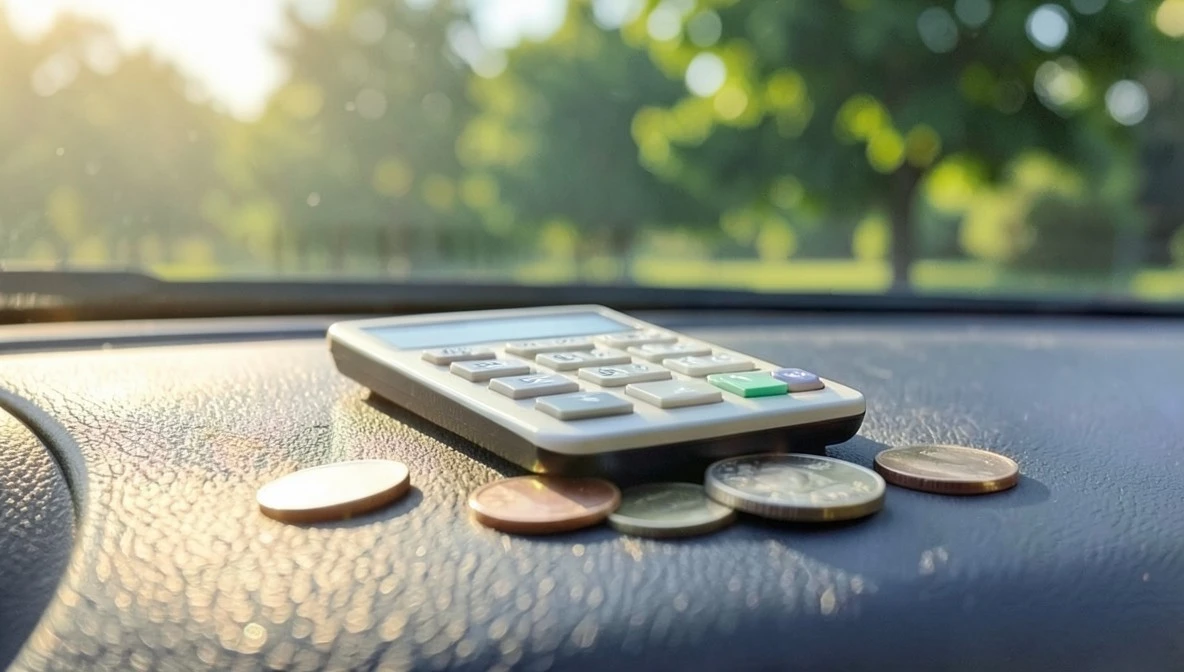
Here’s the part most “which app pays more” articles skip. The hourly figures above are gross. They don’t subtract what it actually costs to put your car on the road for eight hours a day.
Vehicle cost trackers commonly cite $0.50 to $0.70 per mile once you factor in gas, maintenance, tires, and depreciation. Drive 20 to 25 miles for every hour of active delivery time, which is common in suburban and mixed markets, and that’s $10 to $17.50 an hour in real costs before self-employment tax even enters the picture.
Run that math against the averages above and a $27.80/hour gross rate on Instacart can drop into the high teens or low twenties net, depending on how much of a batch is driving versus in-store shopping. A $23 to $24/hour rate on DoorDash or Uber Eats, where almost every minute involves driving, tends to take a bigger proportional hit, often landing 30% to 40% lower once real vehicle costs are subtracted.
None of this means the job doesn’t pay. It means “best” depends on how much shopping time (easy on your car) versus driving time (hard on your car) each platform actually demands in your market. Track your own mileage for two weeks before trusting any national average.
How Each App’s Pay Structure Actually Works
Instacart pays shoppers a batch rate that combines a base amount with a customer tip, and shoppers see the estimated total before accepting. That transparency is a real advantage: you’re not guessing whether an order is worth your time. The tradeoff is that batches can involve in-store shopping, checkout lines, and walk-ups without elevators, none of which show up in per-mile math.
DoorDash runs on base pay plus “Peak Pay” incentives during busy windows, and its density means shorter downtime between deliveries in most metro areas. It’s a volume game: more orders per hour, even if each one pays a little less.
Uber Eats leans on dynamic, distance-based pricing that adjusts in real time with demand. It tends to reward drivers working lunch and dinner rushes in tightly packed urban cores, where several short trips can stack back to back.
Multi-Apping: Running Two or Three Platforms at Once
Ask any driver who’s been at this a while and they’ll tell you the real strategy isn’t picking one app. It’s running two or three at once, a practice known as multi-apping. Reported data suggests drivers who multi-app can earn 20% to 40% more per hour than those on a single platform, mostly because they’re never sitting idle waiting for an order.
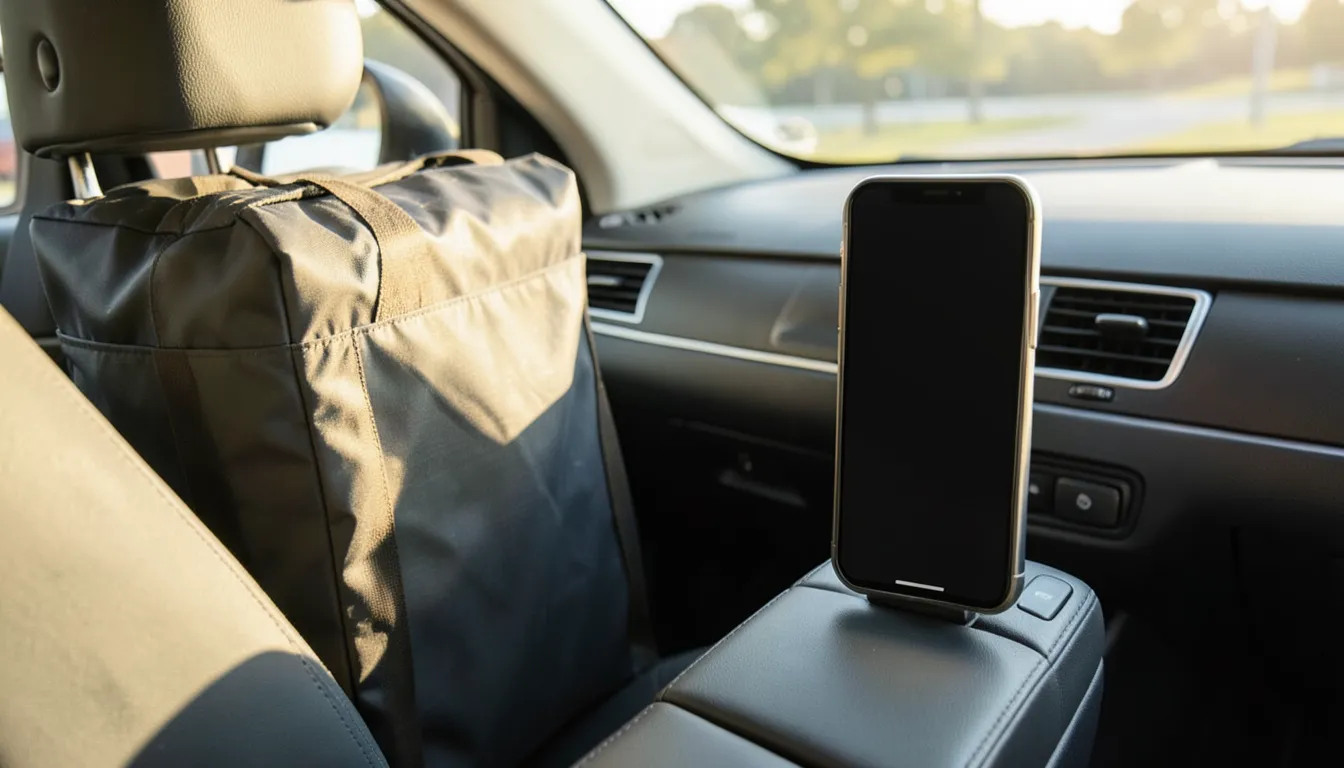
The tradeoff is juggling. Offers come in from multiple apps at once, and deciding quickly which to accept means declining the others. Some drivers mount two phones on the dash just to manage it. It works, but it takes practice, and it’s not for someone who wants to glance at one screen and drive.
Taxes: What a 1099 Means for Your Delivery Income
Every one of these platforms treats drivers as independent contractors, not employees. You’ll receive a 1099-NEC or 1099-K depending on the platform and how much you earned, and no taxes are withheld from your pay along the way.
You’re responsible for self-employment tax on top of regular income tax, and the IRS generally expects quarterly estimated payments once you owe more than a small threshold for the year. On the upside, mileage is deductible at the IRS standard rate, which can meaningfully offset the vehicle costs above. Keep a mileage log; it’s the easiest way to lower what you owe. For more on how payment apps report your income, our guide on 1099-K rules for Venmo, Cash App, and PayPal covers thresholds that also affect gig workers tipped through those apps.
So Which One Should You Actually Drive For?
If your market has strong grocery demand and you don’t mind in-store shopping, Instacart’s visible tip estimates and generally higher reported average make it worth trying first. Want steady, predictable order flow? DoorDash’s market share works in your favor. In a dense city core with short trip distances, Uber Eats can be surprisingly efficient per hour.
But the smartest approach for most drivers isn’t picking a winner. It’s running two apps during your busiest hours, tracking your actual mileage for a couple of weeks, and letting your own numbers, not a national average, tell you where your time is worth the most. Delivery is one of many gig options worth weighing; our roundup of side hustles worth your time in 2026 compares it against other flexible ways to earn, and our list of highest-paying jobs that don’t require a degree is worth a look if you’re weighing gig work against something more traditional.
Earnings figures in this article reflect averages reported by driver-earnings trackers as of mid-2026 and may vary significantly by city, time of day, and vehicle. Neither Instacart, DoorDash, nor Uber Eats guarantees any specific hourly rate, and actual pay depends on factors outside any driver’s control. Before signing up for gig work through a link or offer you didn’t seek out, it’s worth reviewing how to spot job scams in 2026, since fake “delivery driver” recruiting messages have become common.
Frequently Asked Questions
What is the highest paying delivery app right now?
As of mid-2026, Instacart reports the highest average hourly pay among the major platforms, largely because shoppers see the estimated tip before accepting a batch. Averages still vary widely by city and time of day, so it’s not guaranteed everywhere.
Can you really make $1,000 a week with DoorDash?
Some drivers in high-demand markets report totals in that range during peak weeks, but it usually takes long hours, favorable Peak Pay windows, and a market with strong order density. It’s not a realistic baseline for a typical week.
Is Uber Eats better than DoorDash for pay?
It depends on where you live. Uber Eats tends to perform better in dense urban cores with short trip distances, while DoorDash’s larger market share usually means more consistent order volume in suburban and mixed markets.
Does multi-apping actually increase earnings?
Reported driver data suggests it can, often by 20% to 40% per hour, since you spend less time idle between orders. It does require more attention while driving, so weigh that tradeoff for your own comfort.
Do I need to pay taxes on delivery app income?
Yes. Platforms classify drivers as independent contractors, so you’ll owe self-employment tax and regular income tax, and you may need quarterly estimated payments to the IRS. A mileage log helps offset some of that through the standard mileage deduction.
How much do vehicle expenses actually cut into delivery pay?
Commonly cited estimates put real vehicle costs, gas, maintenance, tires, depreciation, at roughly $0.50 to $0.70 per mile. Depending on how much driving a shift requires, that can reduce take-home pay by 30% to 40% below the gross hourly rate advertised.