You’ve probably seen someone online bragging about “free money” from a cash-back app, and you’re wondering if it’s actually worth the time or just another app taking up space on your phone. The honest answer is: it depends which one, and how you use it. Some of these apps pay real money for grocery runs you’re already making. Others barely register unless you stack more than one.
This guide breaks down what Ibotta, Fetch, Rakuten, and Upside each do well, what they don’t, and how much you can realistically expect to earn. No inflated numbers, just what typical users report and how the mechanics actually work.
How Cash-Back Apps Actually Make Money (So You Know the Catch)
These apps aren’t charities. Retailers and brands pay them for driving sales and collecting shopping data, and a slice of that gets passed back to you as cash or points. That’s why some offers feel oddly specific, like a rebate on one yogurt brand or a bonus for one gas station chain: the app is being paid to nudge you toward that purchase. Understanding this helps set expectations. You’re not going to replace your income with receipt scanning, but you can shave real dollars off spending you were already going to do, especially if you’ve already got a budget in place that shows where the money leaks are.
Ibotta: Best for Planning Ahead at the Grocery Store
Ibotta works on pre-activated offers. You browse deals in the app before you shop, “unlock” the ones you want, then buy those items and scan your receipt (or link a loyalty card at some retailers for automatic tracking). The upside is that offers are often worth more per item than what you’ll find on Fetch, since they’re tied to actual product rebates rather than a flat point system.
The tradeoff is effort. You have to plan your shopping trip around the app instead of just scanning whatever you bought afterward. Engaged users who build a habit of checking offers before each grocery trip commonly report earning somewhere in the $20 to $50 per month range, though this varies widely based on household size, how many offers you use, and how often you shop at participating stores. Redemptions usually go to a bank account, PayPal, or gift cards, and there’s typically a minimum balance before you can cash out.
Fetch: Best for Zero-Effort Receipt Scanning
Fetch skips the planning step entirely. You scan any receipt, from any store, and earn points. There’s no need to unlock offers ahead of time, which makes it the easiest of the four to actually stick with. The catch is that the payout per purchase tends to be lower than Ibotta’s targeted rebates, since you’re earning generic points rather than a specific cash rebate on a specific item.
Fetch still runs occasional bonus offers for buying certain brands, which push your point total up faster. Points convert to gift cards rather than cash, so it’s a better fit if you’re fine redeeming for retailers you already shop at. Because the barrier to entry is just scanning a receipt you already have, it pairs naturally with the other apps on this list instead of replacing them.
Rakuten: Best for Online Shopping
Rakuten (formerly Ebates) is built for browser and app-based online shopping rather than in-store grocery runs. You activate cash back through the Rakuten site or browser extension before checking out at one of its thousands of partner retailers, and a percentage of your purchase comes back as cash, typically paid out by check or PayPal on a quarterly cycle.
The rate varies a lot by retailer and by promotional period, so treat any specific percentage you see advertised as a snapshot rather than a fixed number. What makes Rakuten worth keeping installed is that it stacks with most retailers’ own sales and, in many cases, with credit card rewards too. So if you were going to buy something online anyway, running it through Rakuten first rarely costs you anything and often adds a little back.
Upside: Best for Gas and Local Spending
Upside focuses on categories the others barely touch: gas stations, and in some markets, restaurants and grocery stores. You claim an offer in the app before you fill up, pay as usual, then confirm the purchase (often by scanning your receipt or linking a card) to collect the cash-back amount, typically in the range of 10 to 25 cents per gallon depending on the station, your location, and current promotions.
Because gas is a purchase almost everyone makes regularly regardless of income or shopping habits, Upside tends to have one of the most consistent, predictable payoffs of the four, even if the total dollar amount per fill-up is modest. It’s less useful if you drive an electric vehicle or rarely fill up at participating stations, so check coverage in your area before expecting much from it.
Cash-Back Apps at a Glance
| App | Best For | How It Pays | Typical Payout Range |
|---|---|---|---|
| Ibotta | Planned grocery shopping | Cash to bank/PayPal, gift cards | Roughly $20 to $50/month for engaged users |
| Fetch | Any receipt, no planning | Gift cards only | Lower per receipt, but effort is minimal |
| Rakuten | Online shopping | Cash via check or PayPal (quarterly) | Varies by retailer and promotion |
| Upside | Gas, some restaurants/groceries | Cash to bank or gift cards | Roughly 10 to 25 cents per gallon |
Payout figures above are typical ranges reported by users and vary by location, offers available, and how actively you use each app. They aren’t guaranteed earnings.
The Real Trick: Stacking More Than One App
Here’s the part most quick roundups skip. These apps aren’t mutually exclusive, and using more than one on the same purchase is often where the actual savings show up. A single grocery receipt can be scanned in both Fetch and Ibotta since neither one cares that you already used a different app. Rakuten can be layered under a purchase you’re also paying for with a cash-back credit card, since the card rewards come from your bank while Rakuten’s rebate comes from the retailer.
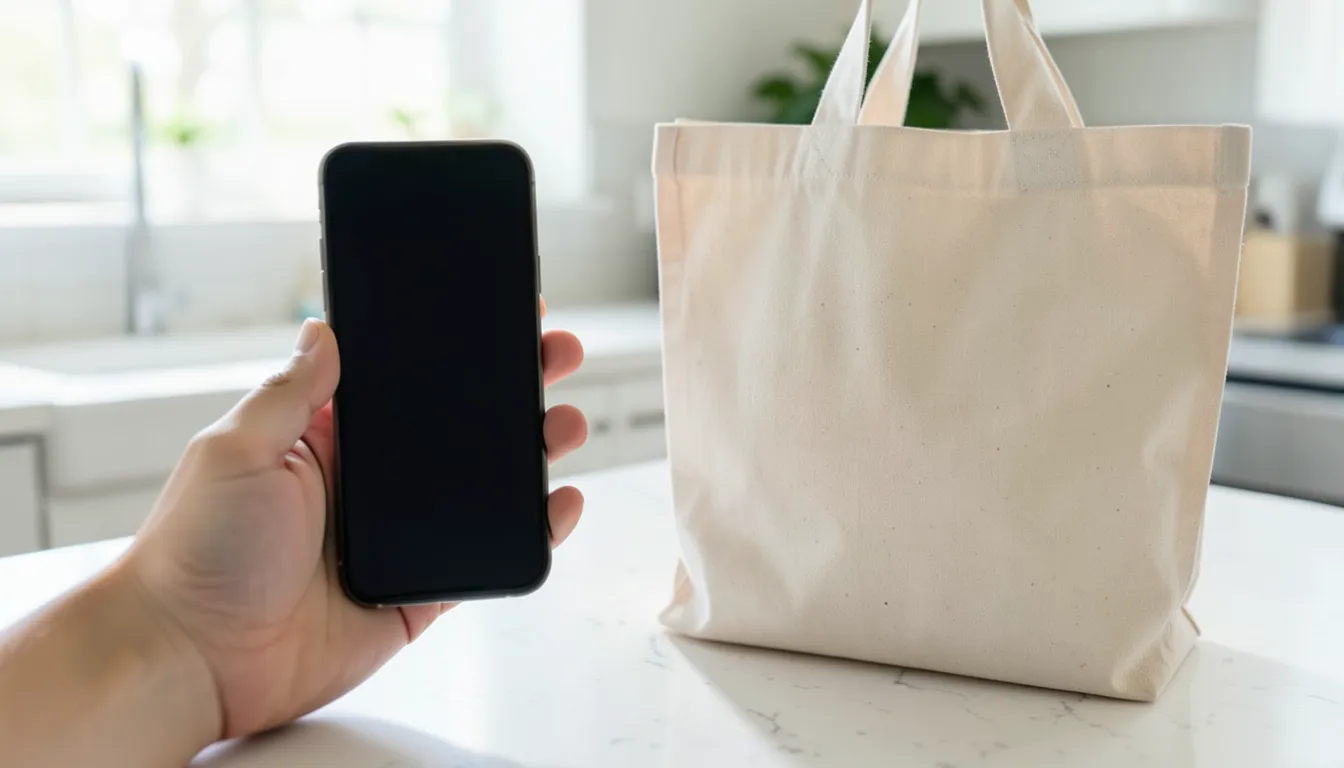
A realistic routine looks something like this: activate any relevant Ibotta offers before you shop, buy your groceries, scan the same receipt into Fetch afterward for extra points, then check whether Rakuten had a portal offer for anything you bought online that same week. None of these steps take more than a minute or two once it’s a habit.
Time vs. Payout: Is It Actually Worth It?
Be honest with yourself about the time cost. If checking offers, remembering to activate them, and scanning receipts takes you 10 to 15 minutes a week and nets $15 to $40 a month combined across apps, that’s a reasonable hourly return for something you can do while watching TV. If you find yourself obsessively hunting for offers or buying things you wouldn’t otherwise buy just to chase a rebate, the app has stopped saving you money and started costing you more than it returns.
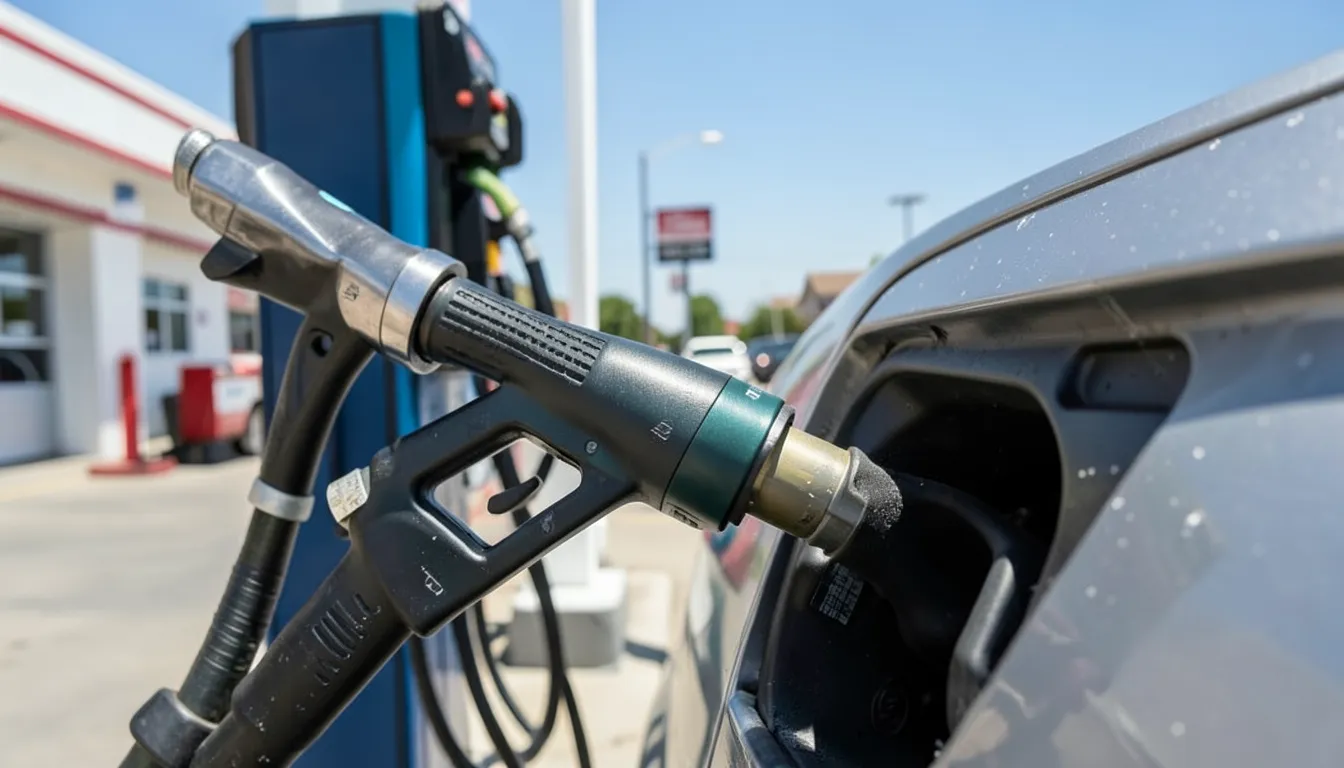
The apps that require the least behavior change, like Fetch for receipts you’re scanning anyway or Upside for gas you’re buying anyway, tend to have the best time-to-payout ratio. The apps that ask you to plan ahead, like Ibotta and Rakuten, pay more per action but only if you actually build the habit of checking them first.
Are These Apps Safe to Use?
All four are established, widely used apps with millions of downloads, and none of them require you to pay money upfront to participate, which is a reasonable baseline check for legitimacy. That said, treat any cash-back app the way you’d treat any app that touches your purchase history: read what data it collects, avoid apps that ask for your bank login credentials outside of an established, reputable payment linking process, and be skeptical of any cash-back app promising a flat “$100 a day” or similar guaranteed amount. If an offer sounds far above what these established apps pay for the same category, it’s worth extra scrutiny before signing up. The same instinct applies to how you receive payouts: the safety habits covered in our piece on payment app scams are worth knowing before you link a cash-back app to Venmo, Cash App, or your bank account.
Practical Takeaways
- Ibotta rewards planning ahead and tends to pay more per grocery item than Fetch’s flat points.
- Fetch is the lowest-effort option since it accepts any receipt with no pre-activation required.
- Rakuten is built for online shopping and typically stacks with retailer sales and credit card rewards.
- Upside is most consistent for gas, with payouts commonly in the 10 to 25 cents per gallon range.
- Stacking apps on the same purchase, not picking just one, is where most of the real savings come from.
- Treat all payout figures as typical ranges that vary by location and offers, not guaranteed income.
- If you want more everyday savings beyond receipt apps, pair this with a look at common bank fees you may be able to avoid.
This article is for general informational purposes and is not financial advice. Earnings figures reflect typical ranges reported by users and can vary based on location, available offers, and shopping habits. Confirm current terms directly with each app before relying on them.
Frequently Asked Questions
Which cash-back app actually pays the most?
It depends on where you spend. Ibotta tends to pay more per grocery item if you plan ahead and use its offers, while Rakuten can pay more on big online purchases depending on the retailer’s rate that week. There’s no single winner across every category.
Are cash-back apps like Ibotta and Fetch legit?
Yes, all four apps covered here are established platforms with long track records and millions of users. None of them require an upfront payment to join. As with any app, review what data it collects and avoid look-alike apps that ask for unusual account access.
Can I use Fetch and Ibotta on the same receipt?
Yes. Since Fetch pays points for scanning any receipt and Ibotta pays cash for specific pre-activated offers, you can typically use both apps on the same grocery trip without one canceling out the other.
What’s the best cash-back app for grocery shopping specifically?
Ibotta and Fetch are the two most commonly used for groceries. Ibotta usually pays more per targeted item if you plan your shopping list around its offers, while Fetch requires no planning but tends to pay less per receipt.
Do cash-back apps affect my credit score?
No. These apps don’t involve credit checks, loans, or credit reporting. They’re separate from your credit profile entirely, since they simply track purchases you make and pay a rebate.
Is it worth using a cash-back app if I don’t shop very often?
Probably not as your main strategy. These apps pay based on purchase volume, so infrequent shoppers will see smaller totals. If you rarely buy groceries or gas, the time spent checking offers may not be worth the modest return.