If you’ve scrolled past a headline about six-figure electricians or a “help wanted” sign outside a plumbing shop and wondered whether the trades are actually worth a serious look in 2026, you’re asking the right question at the right time. The math has shifted. Data centers built to run AI are going up faster than the electricians and HVAC techs needed to wire and cool them, and the federal government just put real money behind getting more people into training.
This isn’t a “list of jobs that don’t need a degree” article. It’s a closer look at one specific path: registered apprenticeships, where you get paid from day one of training instead of paying tuition first and hoping it works out. That distinction matters more than most career advice gives it credit for.
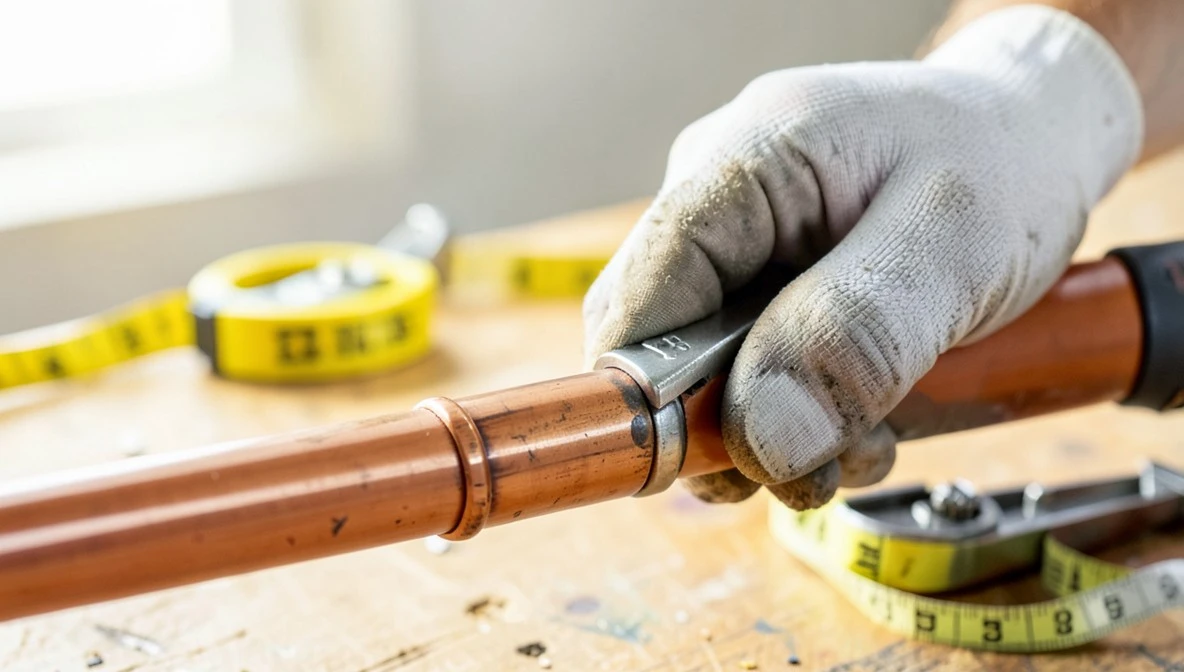
Why 2026 Is Turning Into a Strong Year to Start a Trade
A few forces are lining up at once. Fortune reported in March 2026, citing a Randstad workforce study, that the AI data center construction boom is driving demand for electricians, HVAC technicians, and general construction labor hard enough that specialized markets are seeing six-figure pay for experienced workers. That’s not a promise every new apprentice will hit that number. It’s a sign of how tight the labor pool has gotten in the trades that keep those buildings running.
On the training side, the U.S. Department of Labor announced in January 2026 a $145 million investment in apprenticeship programs, with a stated goal of pushing the number of active apprentices nationwide toward 1 million. Around 92% of construction firms say they’re having trouble finding qualified workers, according to industry data compiled by tradecolleges.org and BLS figures, and the industry is projected to need roughly 349,000 additional construction workers in 2026 alone.
Put those together and you get an unusual moment: employers and training programs that actually want to fill seats, at the same time overtime and specialty pay are climbing in trades tied to data centers and the broader electrical grid. None of this guarantees a job or a specific paycheck. It does mean the door is open wider than it’s been in a while.
What “Earn While You Learn” Actually Means
A registered apprenticeship isn’t an internship and it isn’t trade school in the traditional sense. It’s a structured, paid job where a portion of your time goes to supervised on-the-job work and a portion goes to related classroom instruction, usually through a union training center, a community college, or an employer-run program. You’re an employee from the first day, not a student who owes money before you’ve earned any.
Pay starts lower than what a licensed journeyman makes, and it climbs on a set schedule as you complete each year or wage step. That’s the trade-off: less money up front in exchange for a debt-free path into a skilled, licensed occupation. Most programs run through the U.S. Department of Labor’s Registered Apprenticeship system, which sets minimum standards for training hours, wage progression, and the credential you walk away with.
Skilled Trades Compared: Pay, Growth, and Training Time
The numbers below are national medians and projections from the Bureau of Labor Statistics (BLS), current as of the most recent published data. Actual pay depends heavily on your local market, union local, employer, and overtime hours, so treat this as a starting point for research, not a quote.
| Trade | BLS median annual wage | Projected growth (2024-2034) | Typical apprenticeship length | Approx. starting apprentice pay |
|---|---|---|---|---|
| Electrician | ~$63,000 | 9% (much faster than average) | 4 to 5 years | ~40-50% of journeyman scale, rising to 80-90% by the final year |
| Plumber / pipefitter | ~$63,000-$64,000 | 4% | 4 to 5 years | ~40-50% of journeyman scale, rising to 90-95% by year five |
| HVAC technician | ~$61,000 | 8% | 3 to 5 years (often paired with a shorter technical certificate first) | Often in the high teens to low $20s per hour to start |
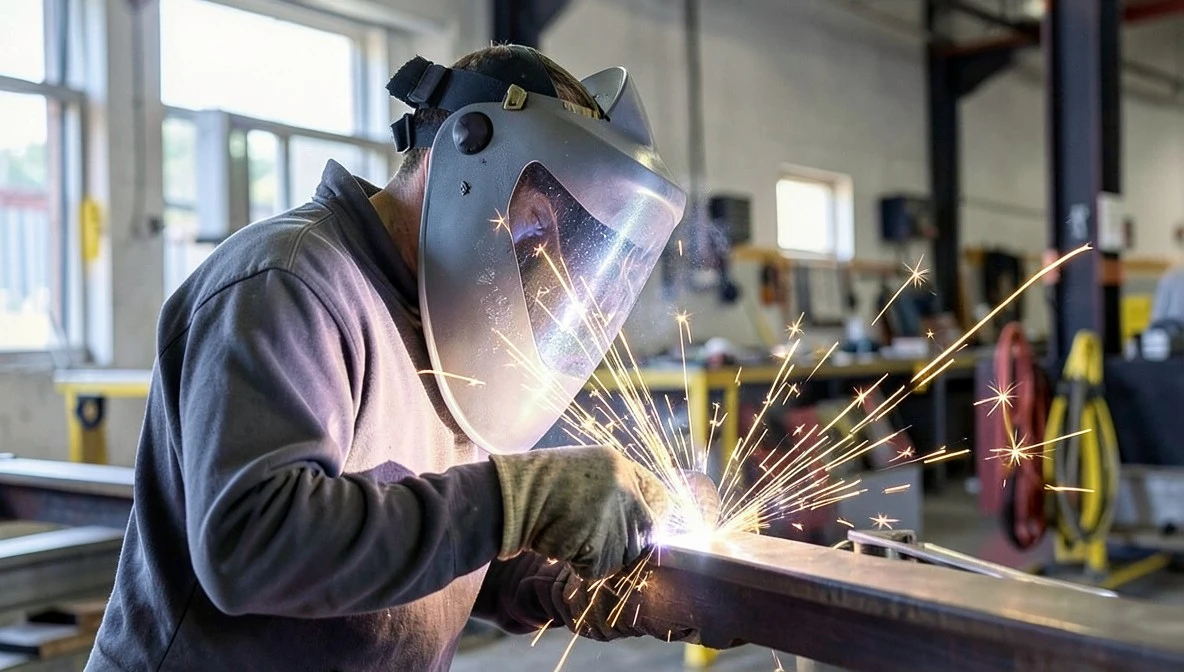
| Welder | ~$27/hour (~$57,000/year) | 2% | 6 months to 2 years for a certificate route; 2 to 4 years for a registered apprenticeship | Commonly in the high teens per hour to start |
| Elevator/escalator installer & repairer | ~$110,000 | 5% | About 4 years (NEIEP program) | Roughly 50% of mechanic scale in year one |
| Lineworker (electrical power-line installer) | ~$95,000 | 7% | 3 to 4 years | Often ~60-70% of journeyman scale, plus overtime and hazard differentials |
A couple of things jump out. Elevator and escalator work pays the most by a wide margin, but the programs are smaller and more selective. Electricians and lineworkers sit at the center of the AI data center and grid-upgrade boom, which is part of why their growth projections are strong. Welding grows the slowest of this group nationally, though certain niches (aerospace, pipeline, underwater welding) pay well above the median.
Top 3 Trades Worth Starting in 2026
1. Electrician. The widest range of entry points (IBEW/NECA joint apprenticeships, non-union contractor programs, community college pre-apprenticeships), strong projected growth, and it’s the trade most directly tied to the data center and grid buildout driving current demand. If you only research one path from this list, make it this one.
2. HVAC technician. A shorter typical runway to a paycheck (many people start earning within months through a technical certificate before rolling into a formal apprenticeship), fast projected growth, and work that can’t be shipped overseas or handled by a chatbot. Every building with people in it needs heating and cooling maintained.
3. Elevator and escalator installer/repairer. The smallest, most selective track on this list, but the pay ceiling is the highest of any trade without a four-year degree. Worth investigating even if it takes patience to land a spot, especially in cities with a lot of high-rise construction and retrofit work.
How to Find a Registered Apprenticeship, Step by Step
- Start at Apprenticeship.gov. The Career Seekers section lets you search registered programs by trade and zip code, and it’s free to use. This is the federal system of record, so it’s a good first stop before anything else.
- Call the local union hall directly. For electrical work, that’s your local IBEW; for plumbing and pipefitting, the UA. Ask about their Joint Apprenticeship and Training Committee (JATC) and when the next application window opens. Many locals only accept applications once or twice a year, so timing matters.
- Check your state’s apprenticeship office. Most states run a workforce agency division dedicated to registered apprenticeships, and some maintain their own searchable listings alongside the federal database.
- Look into a pre-apprenticeship program first. Community colleges and nonprofit workforce programs often run short, low-cost or free pre-apprenticeship courses that improve your standing when you apply and can help you decide which trade actually fits you before you commit years to it.
- Prepare for the entrance process. Expect an aptitude test covering basic math and reading comprehension (the IBEW’s aptitude test is a well-known example), a structured interview, and sometimes a physical or drug screening. Brushing up on algebra and fractions ahead of time genuinely helps.
- Apply broadly. Openings in registered apprenticeships tend to come in batches rather than trickle out like typical job postings, so apply to more than one program and don’t assume rejection from one local closes the door everywhere.
Common Myths About Trade School and Apprenticeships
“It’s what you do if you couldn’t get into college.” In busy union locals, applicants can outnumber open apprenticeship slots two or three to one. The entrance exams test real math and reasoning skills, and plenty of applicants with college experience apply because the pay progression and debt-free path make sense to them.
“Trades don’t pay like real careers.” Look at the table above again. A mid-career elevator mechanic or journeyman electrician in a specialized market can out-earn plenty of jobs that require a bachelor’s degree, and they start earning years before a four-year graduate does, without the debt.
“You need to already know somebody to get in.” Apprenticeship.gov and union JATCs are public, structured application pipelines. Knowing someone can help you learn about a program, but it isn’t the only door in.
“AI and automation will make these jobs disappear.” Running conduit through an existing wall, sweating a joint in a cramped mechanical room, or repairing a specific elevator installation are physically situated tasks. That’s part of why demand for these roles is climbing even as automation reshapes other kinds of work.
Practical Advice Before You Apply
Talk to people actually working the trade you’re considering before you commit, not just recruiters for a program. Ask about the physical demands, the on-call and overtime expectations, and how steady the work has been for them over the last few years. Overtime and shift differentials can meaningfully change your take-home pay, so it’s worth understanding how your local structures that; our guide on how overtime pay actually shows up on your paycheck covers what changed for overtime workers in 2026.
Be careful with anything that looks like a “guaranteed apprenticeship” or “instant certification” offer that asks for money upfront outside an established union or registered program; that pattern shows up in job scams too, and our breakdown of how to spot job scams in 2026 is worth a read before you hand over any fees or personal information. If your interview process includes a formal panel or a video screening step, our guide to preparing for a modern job interview has advice that carries over well.
And if the trades genuinely aren’t a fit for you but a degree-free path still is, our broader roundup of the highest-paying jobs you can get without a college degree covers roles outside the trades entirely, from air traffic control to sales, so you can compare the full field before deciding.
This article is for general informational purposes only and isn’t personalized career, financial, or legal advice. Wages, growth projections, and program details vary by location, employer, and union local, and change over time, so verify current figures directly with the Bureau of Labor Statistics (BLS), the U.S. Department of Labor, or the specific program you’re applying to before making a decision.
Frequently Asked Questions
What is the highest-paying skilled trade in 2026?
Elevator and escalator installers and repairers typically top the list among trades that don’t require a four-year degree, with a BLS median wage around $110,000 a year. Specialized electricians and commercial HVAC technicians in high-demand markets also report strong six-figure pay, though that’s not the norm for every new apprentice.
How do I find a registered apprenticeship program?
Start at Apprenticeship.gov and search by trade and zip code, then call your local union hall (IBEW for electrical, UA for plumbing and pipefitting) directly to ask about their Joint Apprenticeship and Training Committee and application windows. State workforce agencies also list registered programs.
How long does it take to become an electrician?
Most registered electrical apprenticeships run 4 to 5 years, combining paid on-the-job training with classroom instruction. You typically need to pass a licensing exam after completing the program to work as a journeyman electrician, and requirements vary by state.
Is trade school better than a four-year college?
It depends on the career you want, but for many hands-on, licensed trades, an apprenticeship lets you earn a wage while training instead of paying tuition upfront, and you can reach solid pay years before a typical four-year graduate starts working. Neither path is universally “better”; it comes down to the occupation and how you learn best.
Do apprentices get paid while training?
Yes. Registered apprenticeships pay you from day one, usually starting around 40 to 60% of full journeyman or mechanic wage scale, with set raises as you complete each year or wage step of the program.
What is the easiest skilled trade to learn?
There’s no single “easiest” trade since it depends on your mechanical aptitude, physical comfort, and preferred work environment. Entry points like an HVAC helper role, an electrician’s or plumber’s apprenticeship, or an entry-level welding certificate program tend to offer some of the more accessible starting points into the broader skilled trades.