Your laptop from freshman year just died a week before move-in, and the new model costs more than you remembered. That’s not surprising this year. School supply prices are up 7.3% for the 2026 back-to-school season, according to ABC News, and tariffs on imported electronics are a big part of why. If you’re staring at a new laptop’s price tag and wondering whether “like new” is good enough, you’re asking the right question at the right time.
Refurbished tech used to feel like a gamble: a mystery box at a suspiciously low price with no real backup if it broke. That’s changed a lot. Warranties are more standardized now, return policies are clearer, and the market is big enough that “certified refurbished” actually means something at most major retailers. But the label on the box still hides real variation, and knowing what you’re buying matters more than chasing the lowest number on the screen.
What “Refurbished” Actually Means (and Why the Label Matters)
“Refurbished” isn’t one thing. Four labels get used almost interchangeably online, and they are not the same product or the same risk.
| Label | What it means | Typical warranty | Typical return window | Best for |
|---|---|---|---|---|
| Certified Refurbished | Tested and repaired by the manufacturer or an authorized reseller; failing parts (including batteries) are usually replaced | 6-12 months | 14-30 days | Laptops, tablets, desktops where reliability matters most |
| Open-Box | Returned by a previous buyer, sometimes unused, resold as-is or with a light inspection by the retailer | Often matches new if unopened; limited or none if used | 14-30 days (varies a lot by store) | Shoppers comfortable inspecting the item themselves |
| Used / Pre-Owned | Sold peer-to-peer or by a reseller with no standardized testing process | Usually none, unless the seller adds one | Often none, or a few days at the seller’s discretion | Experienced buyers who can check hardware in person |
| Manufacturer Renewed (e.g., Amazon Renewed) | Inspected and refurbished under a platform’s own grading program | 90 days to 1 year | Typically 90 days | Buyers who want a defined condition tier (like “Premium” or “Excellent”) |
These ranges are typical as of mid-2026 and may vary by retailer, category, and season, so check the actual listing before you buy. That’s the real difference between certified refurbished vs used: one comes with a documented process behind it, the other is a bet on the seller’s word.
Why Refurbished Is Having a Moment This Back-to-School Season
Tariffs on imported components have pushed new-device prices up, and back-to-school shoppers are feeling it directly. Tech outlets like TechRadar and TechBasics101 have noted that refurbished laptops typically sell 20% to 50% below new price, and that gap tends to widen when new-device prices climb. That’s a meaningful refurbished vs new savings range for a family buying a laptop for a student, though the exact discount depends on the model, condition grade, and retailer.
This isn’t a reason to buy the cheapest listing you find. It’s a reason to treat refurbished as a legitimate first option instead of a backup plan. If you’re also trying to stretch a back-to-school budget across supplies, clothes, and everything else on the list, our broader guide on saving on back-to-school shopping covers the tactics that go beyond electronics.
Where Refurbished Shines: Laptops, Tablets, and Desktop Monitors
Some devices are genuinely low-risk to buy refurbished, and it comes down to how they’re built and tested.
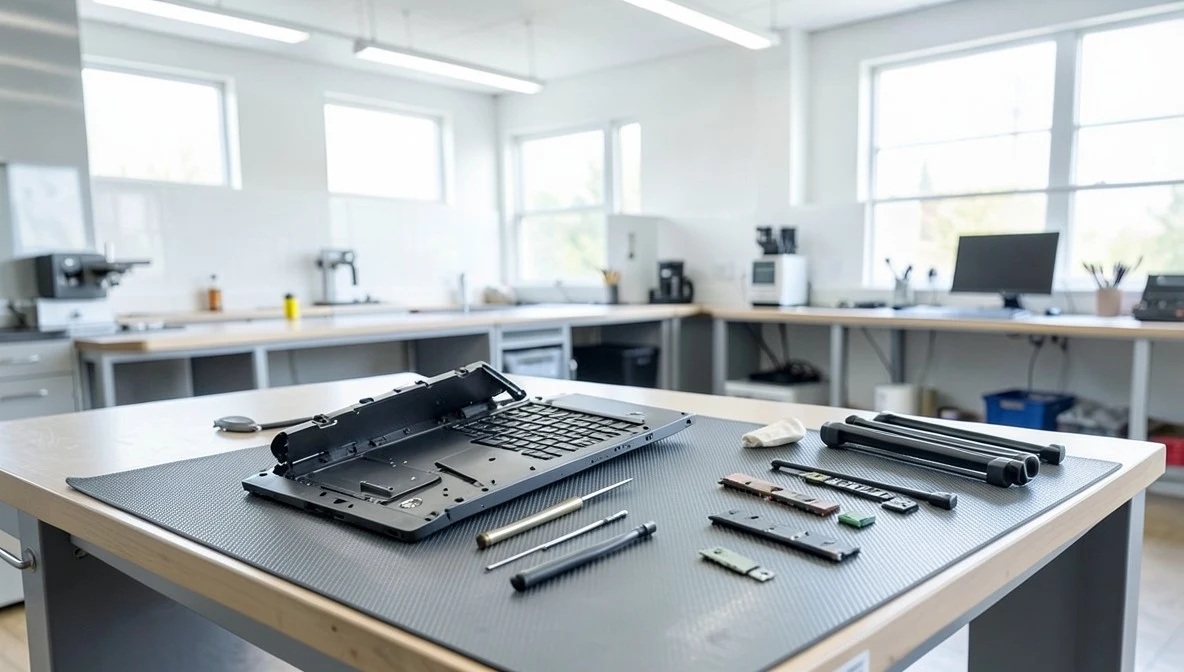
- Laptops have modular, swappable parts, so a certified refurbisher can replace a worn battery or a failing drive and verify performance before resale. A refurbished laptop for students doing schoolwork and browsing rarely needs the newest chip, which is exactly where the savings are biggest.
- Tablets hold up well because there’s less that can wear out mechanically, and screen and battery condition are easy for a seller to grade and disclose.
- Desktop monitors have no moving parts and no battery at all, so “refurbished” mostly means a cosmetic check and a dead-pixel test. This is close to the lowest-risk refurbished purchase you can make.
Where to Be More Careful: Wearables and Older Phones
Other categories deserve a second look before you commit.
- Battery-dependent wearables like smartwatches and earbuds are harder to verify. Batteries degrade with charge cycles, they’re often sealed inside the device, and a seller’s “good battery life” claim is tough to confirm before you own it.
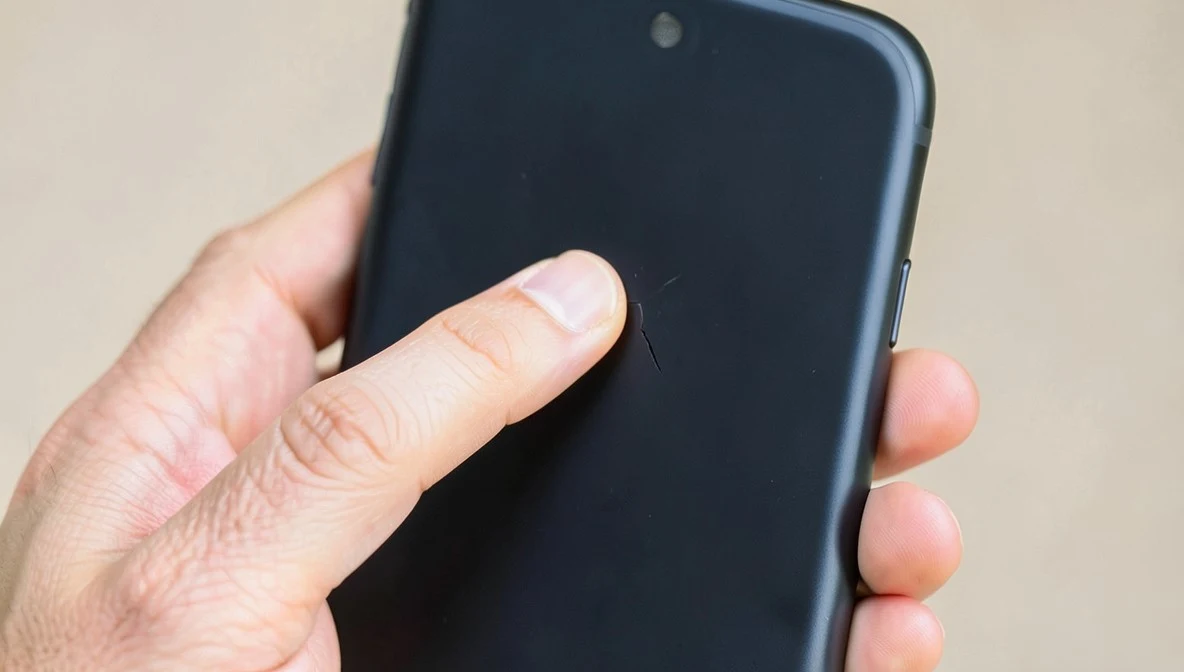
- Older phones nearing the end of software support are a quieter risk. A great price on a refurbished phone stops being a deal if the model won’t get another year or two of security updates. Before buying, check the manufacturer’s support page for that exact model. If you’re weighing a refurbished iPhone specifically, cross-reference the model year against Apple’s current software support list, not just the price tag.
Top 3 Red Flags to Watch For Before You Buy
- No stated warranty or return window. If a listing doesn’t say how long you’re covered, assume you aren’t. Reputable refurbishers put this front and center.
- Vague seller-grade language. “Grade A” or “Excellent” means nothing without a definition of what that grade actually inspects (screen, battery, ports, cosmetic wear). Ask, or move on.
- Battery health not disclosed. For phones and laptops, battery health (often shown as a percentage of original capacity) is the single most important number a seller can hide. No disclosure usually means no good news to share.
How to Pay Safely (and What Your Card Protects)
How you pay matters almost as much as what you buy. Paying with a credit card, rather than debit, cash, or a peer-to-peer payment app, typically gives you a path to dispute the charge if the device shows up broken, isn’t as described, or never arrives. If that happens, our guide to disputing a credit card charge walks through the process step by step.
A couple of guardrails worth keeping in mind:
- Don’t let a “deal” push you into carrying a high-interest balance to afford it. Our breakdown of common credit card mistakes and high APR traps is worth a read before you swipe.
- Buy now, pay later plans can feel like an easy way to spread out a big electronics purchase, but they come with their own risks to your credit. See our piece on BNPL mistakes that can hurt your credit score before choosing that route.
Purchase protection terms vary by card issuer and aren’t guaranteed on every transaction, so check your card’s benefits guide for the specifics that apply to you.
Quick Takeaways
- Certified refurbished usually beats plain “used” because it comes with testing, a warranty, and a return window.
- Laptops, tablets, and monitors are generally the safest refurbished bets. Wearables and phones near end of software support need more scrutiny.
- No stated warranty, vague grading, and undisclosed battery health are the three red flags that should make you walk away.
- Pay with a credit card when you can, so you have a real path to a refund if something goes wrong.
Savings percentages and warranty terms mentioned above are typical ranges as of mid-2026 and can vary by retailer, device category, and season. Always confirm the specific warranty, return policy, and condition grading on the actual listing before you buy, and check with agencies like the Federal Trade Commission (FTC) if you run into a deceptive seller.
Frequently Asked Questions
Should you buy refurbished tech?
For most people, yes, as long as you buy from a seller offering certified refurbished status with a stated warranty and return window. It’s a different question for devices near end of software support or battery-dependent wearables, where the savings can come with more hidden risk.
What’s the difference between certified refurbished and used?
Certified refurbished means the device went through a documented testing and repair process by the manufacturer or an authorized reseller, usually backed by a warranty. Used or pre-owned typically has no standardized testing behind it and often comes with no warranty at all, so the buyer takes on more of the risk.
What are the downsides of refurbished electronics?
The main downsides are cosmetic: refurbished devices may have minor scratches or blemishes, and warranties (often 6 to 12 months) tend to be shorter than the multi-year coverage that can come with a brand-new device. Battery health and prior repair history also vary more than with new products.
Is open-box the same as refurbished?
No. Open-box items were typically returned by a previous buyer, sometimes never used, and may get only a light inspection rather than the full testing and repair process that certified refurbished goes through. Warranty coverage on open-box items can be inconsistent, so check the listing carefully.
Is refurbished tech reliable?
When it comes from a trusted seller offering certified refurbished status, generally yes. These devices are tested and often come with a warranty. Reliability drops when you buy from an unverified seller with no grading standard or return policy.
Is a refurbished iPhone safe to buy?
It can be, if you buy certified refurbished from an authorized seller and check two things first: the battery health percentage and how many more years of software updates that model is expected to receive. A great price loses its value fast if the phone falls out of support soon after you buy it.